
Study Nursing in Europe in English
Study a globally recognized three-year BSc Nursing program taught entirely in English. Gain hands-on clinical training, enjoy affordable tuition and living costs, and join a diverse international student community with excellent career opportunities worldwide.
Why Pursue Your Medical Education
- Internationally Recognised Degrees
- English-Medium Programs
- Flexible Entry Requirements
- Cost-Effective Tuition & Living
- Wide Range of University Choices
- Reduced Competition for Entry
- State-of-the-Art Facilities & Technology
- Excellent Career Prospects Globally
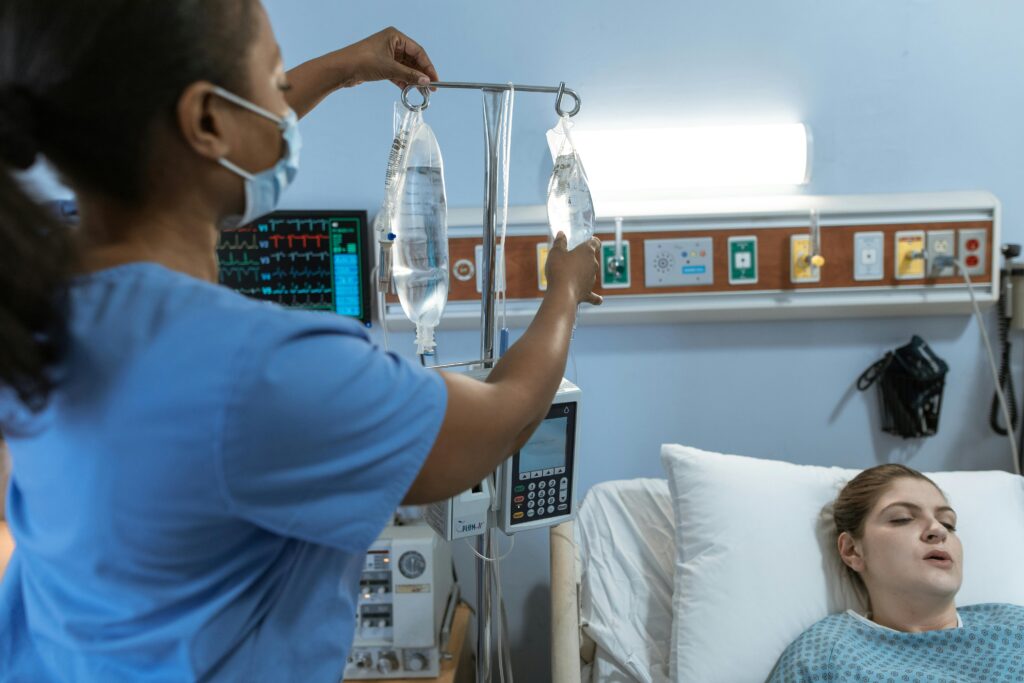
About Studying Nursing in Europe in English
In Europe, three-year nursing programs equip students with the information, abilities, and experience needed to fulfill international professional standards. In order to prepare graduates for prosperous professions across the globe, the program combines fundamental theoretical modules with real-world clinical rotations in hospitals and clinics.
Studying BSc nursing in Europe in English gives foreign students the opportunity to learn in a multicultural setting with classmates from around the globe without needing to speak the local tongue. In addition to improving your communication abilities, this international experience will help you become more culturally competent, which is becoming more and more important in the global healthcare industry of today.
Because European nursing degrees are recognized internationally, graduates can pursue license anywhere in the world, whether they choose to work in the EU, return home, or discover possibilities overseas.

What are the Entry Requirements to Study Nursing in Europe in English?
Depending on the university, students who want to study nursing in Europe in English typically need to:
- A high school diploma
- Proficiency in English
A health certificate, academic transcripts, and an eligibility certificate attesting to the fact that your secondary education qualifies you for admission to a university are among the documents that certain nursing schools may need in addition to an entrance exam.
Three A-levels in science-related areas are required by several universities for UK students wishing to study nursing in Europe in English.
Is It Difficult to get into a Nursing Course in Europe?
Due to a greater variety of universities and available spots, admission to an English-language nursing program in Europe is more accessible than in the UK, although being somewhat competitive.
Admission is more tough in other nations, such as Italy, where entrance exams are required and candidates are ranked according to their academic achievement. Other countries, such as Poland, offer easier and more accommodating entry requirements; all you need is a high school degree and fluency in English.
Because there are fewer spots available, nursing programs taught in English are typically more competitive, but your chances of being accepted are usually high if you complete the requirements and submit a great application.
Medlink Students provides free consultations with our team of academic advisors to see whether you match the requirements for nursing in English.
How Much Does it Cost to Study Nursing in English in Europe?
Depending on the university, nursing tuition in Europe ranges from ₹327,100 to ₹545,150 annually.
Rent, utilities, transportation, food, and recreational activities might cost anywhere from ₹81,800 to ₹163,550 per month, depending on the nation you intend to study in.
Where are European nursing Degrees Recognised?
European nursing degrees that have been accredited are accepted not only in Europe but also in many other nations. National authorities approve European nursing degrees, which are designed to meet European higher education criteria. By combining in-depth clinical training with theory, they also adhere to European professional and regulatory standards for nursing practice.
What Career Opportunities are There After Studying Nursing in Europe?
After graduation, you will have an internationally recognized degree that will enable you to work in the EU and many other countries. To obtain your license, all you have to do is meet the local regulatory standards. You can even use your nursing degree to pursue graduate entrance into medicine if your long-term objective changes.
Under Directive 2005/36/EC, nursing degrees are legally recognized in all EU member states.
Can I Become a Nurse in the UK After Studying nursing in Europe in English?
Yes, after graduating from Europe, you can work as a nurse in the UK. There is a structured process for gaining professional nurse registration in the UK with the following steps:
- To make sure your degree satisfies UK requirements, pass a qualifying assessment administered by the Nursing and Midwifery Council (NMC) in the UK.
- Proficiency in the English language must be proven through accredited exams or academic degrees.
- Finish a brief adaptation or the OSCE (practical exam) or CBT (theoretical) Test of Competence (ToC).
- Once the NMC verifies your degree’s eligibility, register as a Registered Nurse (RN).
What is Fast-Track nursing?
Condensed nursing degrees, usually lasting two years, are offered by fast-track nursing programs. Candidates with a bachelor’s degree in a science or healthcare-related discipline are the target audience for these programs.
Graduate entrance nursing and Master of Nursing degrees are the most popular forms of fast-track nursing in Europe. Like graduate entry medicine and graduate entry dentistry, these programs build on existing knowledge and concentrate on fundamental theory and clinical skills in an intensive manner.
Where to Study Nursing in English in Europe
International students looking for a top-notch and reasonably priced nursing education are increasingly choosing to study in Europe. Numerous universities provide English-language BSc Nursing programs that combine clinical training, contemporary teaching techniques, and globally recognized degrees.
Among Georgia’s top universities for nursing studies are:
- $3,300 a year at Caucasus International University
- $3,500 annually at Georgian National University SEU
- $3,800 annually at Grigol Robakidze University
- $4,000 annually at the University of Georgia
- $4,500 annually at Caucasus University
International students from a variety of backgrounds can enroll in these programs, which usually last four years and are taught in English.
Georgian institutions are renowned for providing affordable tuition, state-of-the-art facilities, and hands-on clinical experience. With possibilities to work or pursue further education abroad, nursing graduates from these institutions acquire the fundamental skills needed for employment in global healthcare.
It is crucial to take your long-term professional objectives, location, clinical training possibilities, and tuition costs into account while selecting a university.

Frequently Asked Questions
In Europe, a typical Bachelor of
Science in Nursing program lasts three years.
Science in Nursing program lasts three years.
UniCamillus in Rome, Italy, which charges ₹4,850 a year, and UITM in Rzeszow, Poland, which charges ₹7,900, are two of the most reasonably priced nursing schools in Europe with English programs.
Degrees from recognized European universities that adhere to EU nursing education criteria are accepted globally.
Usually, all you need is a high school degree and fluency in English, but some universities also demand that you take an entrance exam.
The majority of universities only accept one student each year, usually in September or October.
Indeed, alternative English diplomas are accepted by some universities, and graduates from English-speaking nations may even be excluded.
While some colleges offer clinical training that necessitates a rudimentary understanding of the local language for patient interaction, other nursing programs are fully taught in English.
International students are permitted to work full-time during breaks and part-time during classes in the majority of European nations.
Indeed, following local licensing procedures, you will be able to work within the EU and in many other countries after graduating from an EU nursing school.
Finding the appropriate university, reviewing the prerequisites, and preparing the necessary paperwork—such as notarized and translated academic transcripts, evidence of English proficiency, identification documents, and more—are all necessary if you want to study nursing overseas. Additionally, the country and university may have different requirements for the application procedure, particularly with regard to entrance exams, dates, and necessary paperwork.